
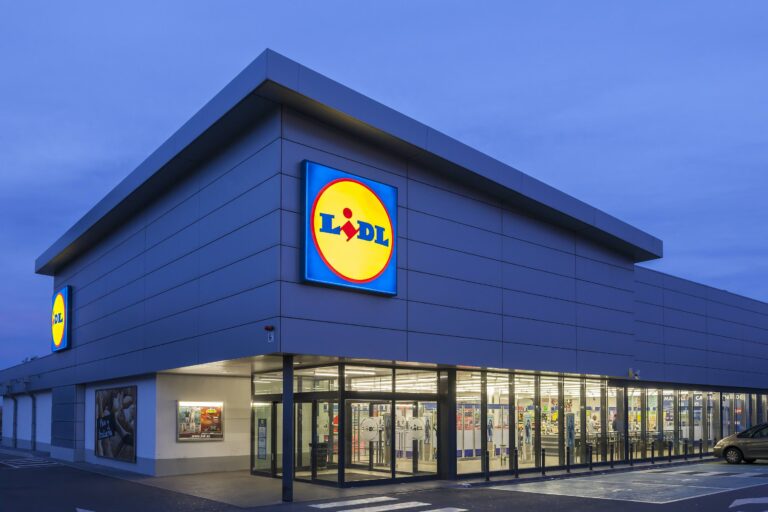
Lidl sales hit £13bn as it gains ground on Aldi with 50-store push

Lidl
Discount RetailGroceryIn-StoreNews

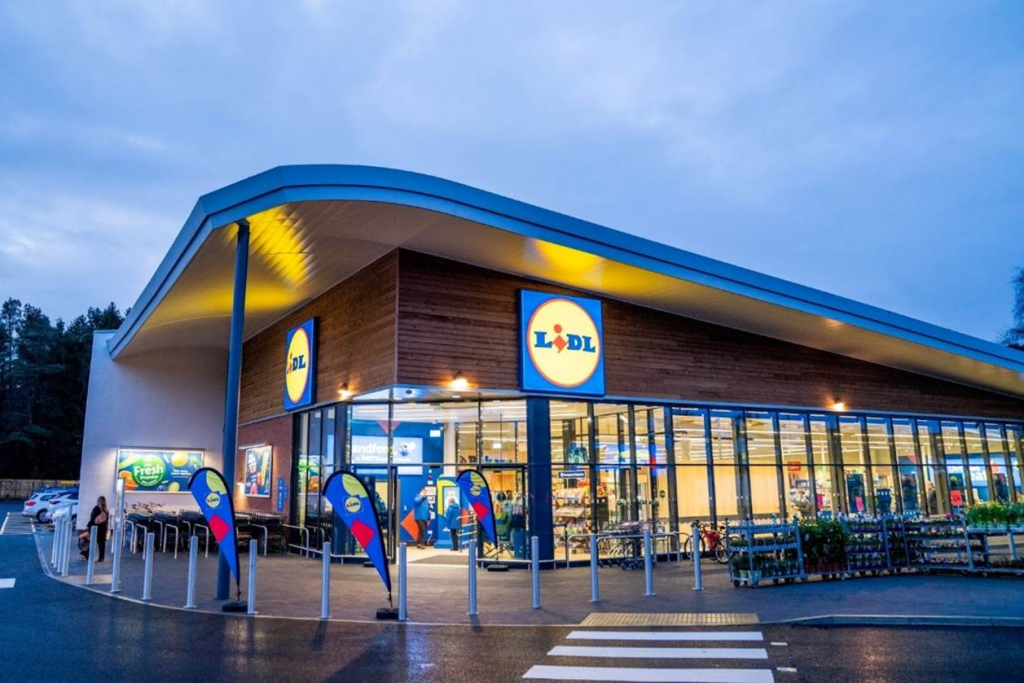
Lidl has pushed annual sales past £13bn after attracting 43m more customer visits. Its now preparing to open more than 50 stores in an attempt to close the gap on Aldi.

Turnover rose 10.8 per cent in the year to 28 February 2026, while operating profit increased 9.9 per cent to £345m, according to results published on Monday.

More than 40 store openings during the year helped Lidl bring in an additional 43m shopping trips, as it continued to take market share from larger rivals.

Lidl is now pressing ahead with more than 50 further openings during its current financial year, backed by £600m of investment in stores and infrastructure.

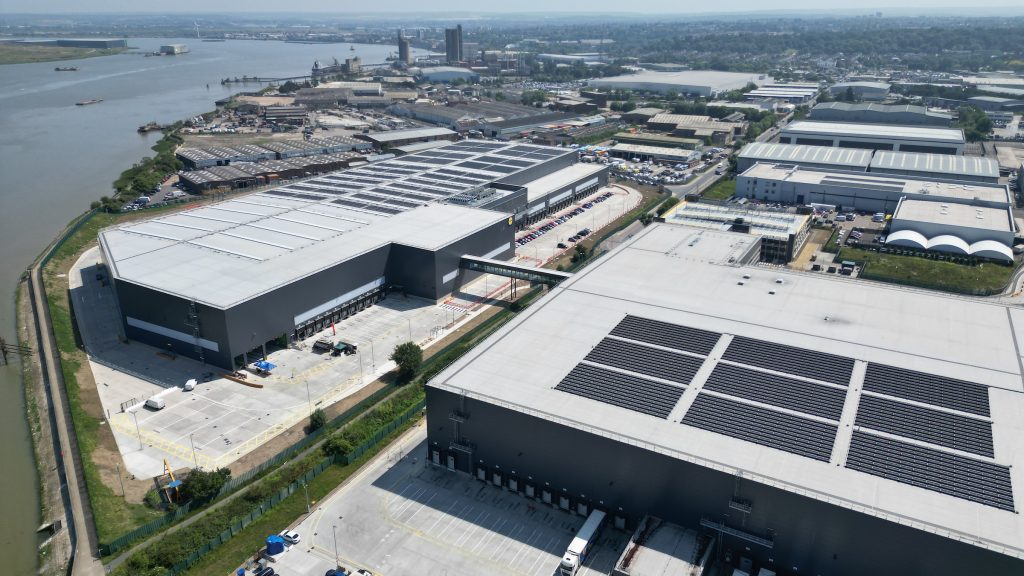
That expansion programme was first announced in April and is expected to create close to 2,000 jobs. It also includes investment in Lidl’s distribution network, including a new warehouse in Leeds and work at its Belvedere logistics operation in London.

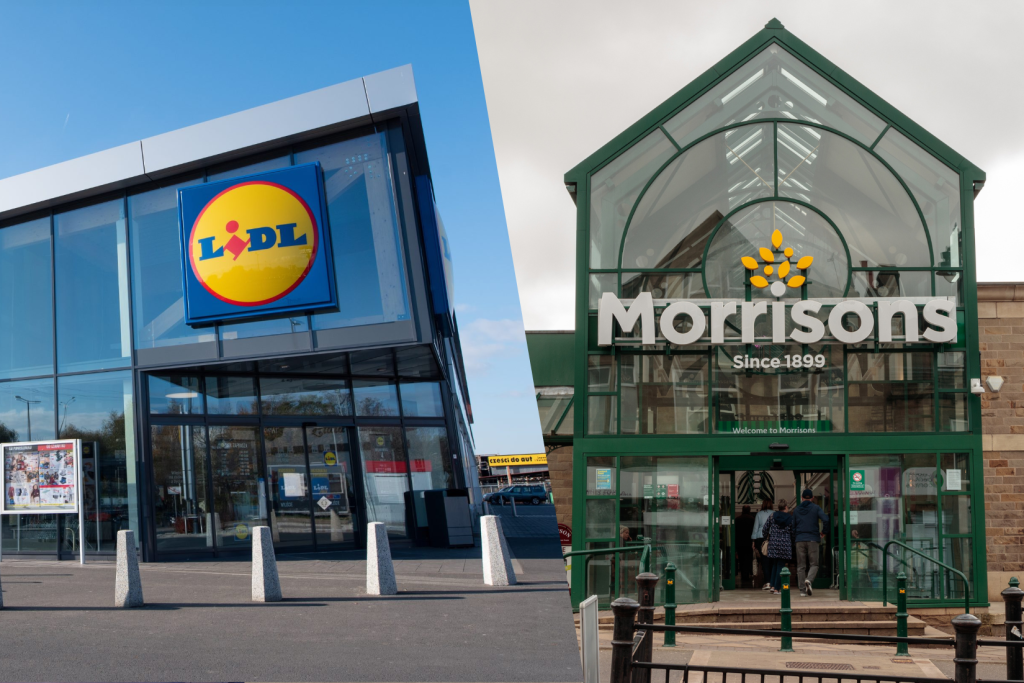
Lidl recently passed Morrisons to become Britain’s fifth-largest supermarket earlier this year.

Its market share reached 8.7 per cent in the 12 weeks to 6 September, against 8.3 per cent a year earlier. Sales over the same period were up eight per cent. Morrisons held an 8.4 per cent share.

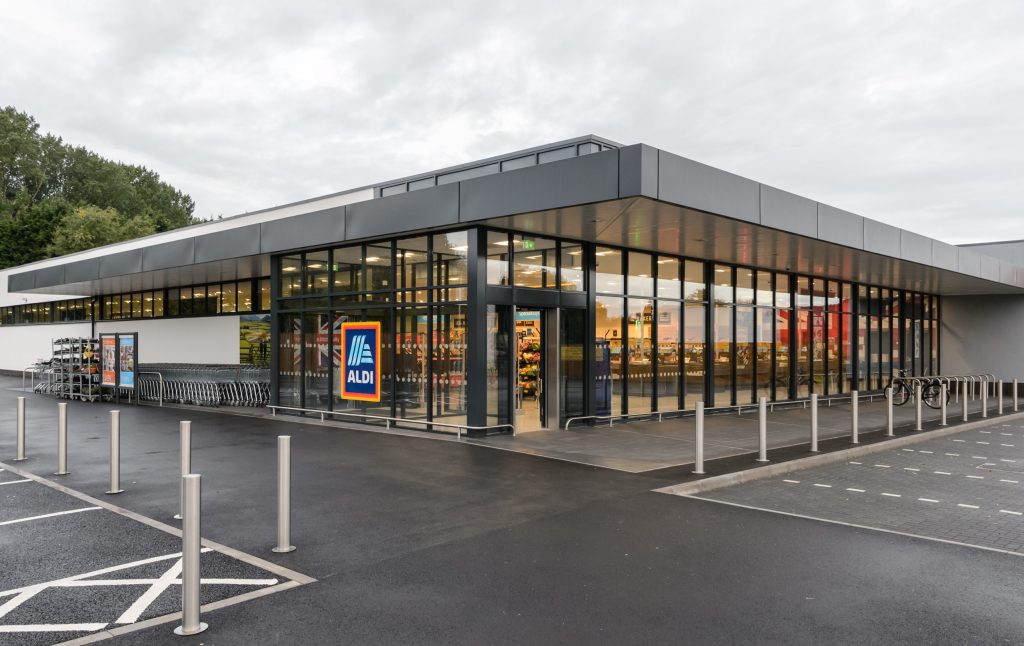
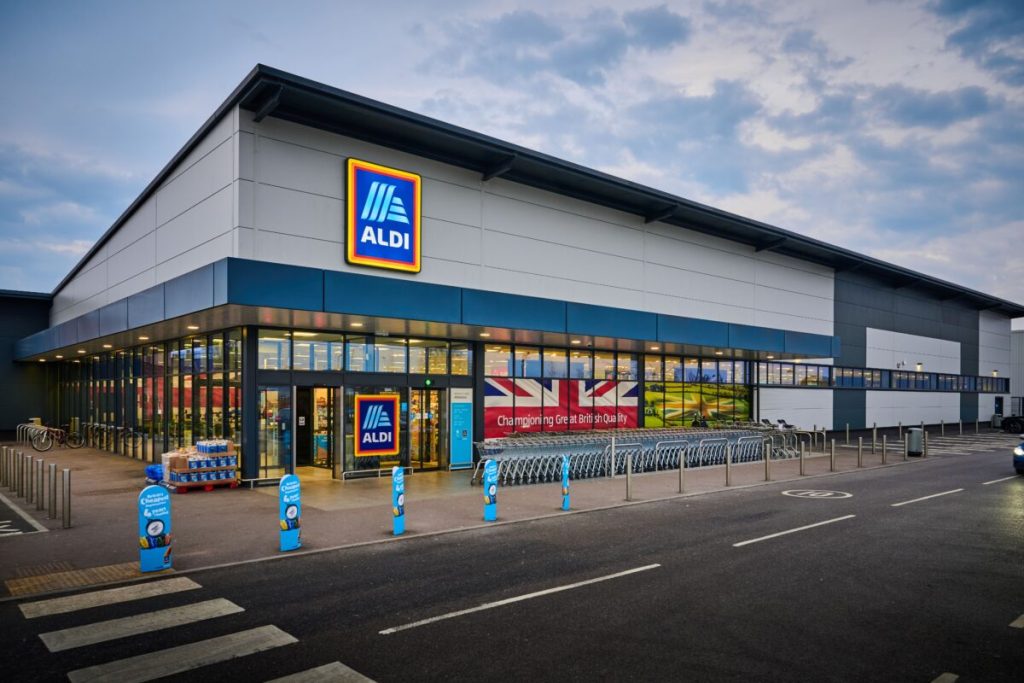
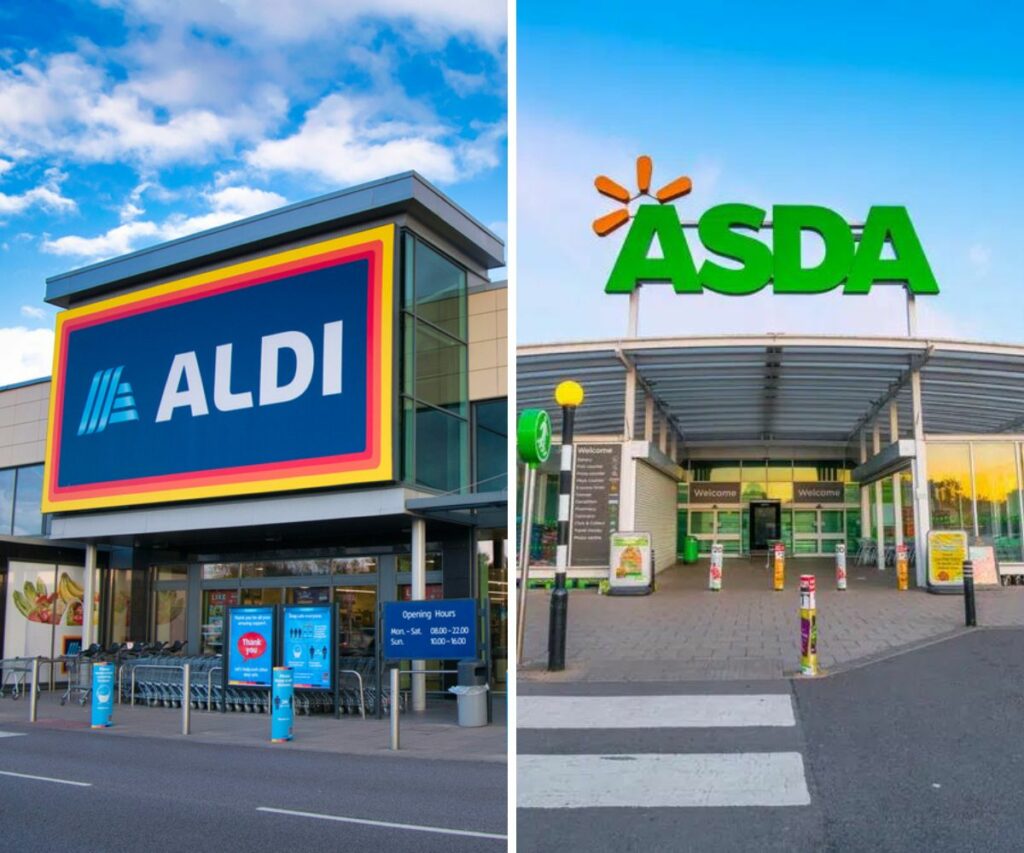
Aldi remains some distance ahead with 10.6 per cent of the grocery market, but that figure has slipped from 10.8 per cent a year ago. The gap between Britain’s two German discounters has therefore narrowed from 2.5 percentage points to 1.9 points over the past 12 months.

That is happening despite Aldi still having the larger estate.

Lidl passed the 1,000-store mark late last year and had grown to more than 1,010 UK stores by September, while Aldi currently operates more than 1,090 shops across the UK and Ireland.

Lidl’s recent growth has not relied solely on adding square footage. Its Lidl Plus loyalty app gives it a point of difference from Aldi, which has resisted launching a traditional loyalty scheme, Lidl has also been rolling out its Lidl & Go mobile self-scanning service.

After an initial trial, Lidl expanded Lidl & Go to another 37 stores this summer.

It has also been spending on its existing estate, including a £40m programme announced earlier this year to modernise more than 70 stores.

The race for sites is now becoming another battleground between the discounters.

Lidl published a list of hundreds of locations it is targeting for future stores in April, ranging from major cities to towns where it has little or no presence. It is seeking freehold and leasehold sites as it looks to move beyond its current 1,000-plus estate.

Aldi is responding with an even larger capital commitment. Last week it set out plans to invest a record £900m in Britain in 2027, including 40 new stores and further spending on its distribution network.

However, Aldi’s recent sales growth has been markedly slower. Its sales rose just 0.7 per cent in the latest Worldpanel period, compared with Lidl’s eight per cent, while its market share fell 0.2 percentage points year on year.

Aldi remains the bigger of the pair and generated record turnover of £19bn last year, but Lidl’s results show the gap is no longer moving in one direction.

Click here to sign up to Retail Gazette‘s free daily email newsletter

Discount RetailGroceryIn-StoreNews

Leave a Reply

Your email address will not be published. Required fields are marked *

Fill out this field
Fill out this field
Please enter a valid email address.

Discount RetailGroceryIn-StoreNews

Share:

Lidl sales hit £13bn as it gains ground on Aldi with 50-store push

Lidl

Lidl has pushed annual sales past £13bn after attracting 43m more customer visits. Its now preparing to open more than 50 stores in an attempt to close the gap on Aldi.

Turnover rose 10.8 per cent in the year to 28 February 2026, while operating profit increased 9.9 per cent to £345m, according to results published on Monday.

More than 40 store openings during the year helped Lidl bring in an additional 43m shopping trips, as it continued to take market share from larger rivals.

Lidl is now pressing ahead with more than 50 further openings during its current financial year, backed by £600m of investment in stores and infrastructure.

That expansion programme was first announced in April and is expected to create close to 2,000 jobs. It also includes investment in Lidl’s distribution network, including a new warehouse in Leeds and work at its Belvedere logistics operation in London.

Lidl recently passed Morrisons to become Britain’s fifth-largest supermarket earlier this year.

Its market share reached 8.7 per cent in the 12 weeks to 6 September, against 8.3 per cent a year earlier. Sales over the same period were up eight per cent. Morrisons held an 8.4 per cent share.

Aldi remains some distance ahead with 10.6 per cent of the grocery market, but that figure has slipped from 10.8 per cent a year ago. The gap between Britain’s two German discounters has therefore narrowed from 2.5 percentage points to 1.9 points over the past 12 months.

That is happening despite Aldi still having the larger estate.

Lidl passed the 1,000-store mark late last year and had grown to more than 1,010 UK stores by September, while Aldi currently operates more than 1,090 shops across the UK and Ireland.

Lidl’s recent growth has not relied solely on adding square footage. Its Lidl Plus loyalty app gives it a point of difference from Aldi, which has resisted launching a traditional loyalty scheme, Lidl has also been rolling out its Lidl & Go mobile self-scanning service.

After an initial trial, Lidl expanded Lidl & Go to another 37 stores this summer.

It has also been spending on its existing estate, including a £40m programme announced earlier this year to modernise more than 70 stores.

The race for sites is now becoming another battleground between the discounters.

Lidl published a list of hundreds of locations it is targeting for future stores in April, ranging from major cities to towns where it has little or no presence. It is seeking freehold and leasehold sites as it looks to move beyond its current 1,000-plus estate.

Aldi is responding with an even larger capital commitment. Last week it set out plans to invest a record £900m in Britain in 2027, including 40 new stores and further spending on its distribution network.

However, Aldi’s recent sales growth has been markedly slower. Its sales rose just 0.7 per cent in the latest Worldpanel period, compared with Lidl’s eight per cent, while its market share fell 0.2 percentage points year on year.

Aldi remains the bigger of the pair and generated record turnover of £19bn last year, but Lidl’s results show the gap is no longer moving in one direction.

Click here to sign up to Retail Gazette‘s free daily email newsletter

Social


SUBSCRIBE TO OUR DAILY NEWSLETTER

  • This field is for validation purposes and should be left unchanged.
Discount RetailGroceryIn-StoreNews

Leave a Reply

Your email address will not be published. Required fields are marked *

Fill out this field
Fill out this field
Please enter a valid email address.

RELATED STORIES

Latest Feature


Menu

What’s working in UK stores right now

Read by Store Directors, Head of Retail, and Operations Managers across UK retail.

In-Store Weekly NL Form

  • This field is for validation purposes and should be left unchanged.


Please enter the verification code sent to your email: